Latest Entries »

Project Summary

The Horticultural Green Garden Project To Lessen The Carbon Footprint And Toxins In The Environment To Positively Affect Climate Change

To outline, promote & market a sustainable ecological horticultural system of management for the lawn and garden that:

SaskatoonBerries Ripe Blue

Deep Blue Ripe Native Saskatoon Berries, One Of The Key Ingredients Of The Emerency Food Ration, Pemmican,  Together With Meat & Fat From The Prairie Bison Used By The Native Plains Cree People. The Birds Especially The Robins Love The Pear Shaped Pesticide Free Fruit Too, Central Newfoundland

  1. substantially reduces the climate altering toxic carbon exhaust emissions.
  2. drastically reduces noise pollution.
  3. does not require the poisonous cosmetic use pesticides on the lawn.
  4. does not need the potable drinking water on the lawn paid for by the taxpayers of the community.
  5. utilizes the wet biological organic material from the kitchen, lawn and garden such as grass, leaves, cut up banana peels, tea bags and egg shells as a free plant food source directly to the soil or in the compost.
  6. recycles the dry fibrous biological organic material from the kitchen, lawn, garden, and workshop.  These materials include bark and wood chips, wood shavings, sawdust, cut up branches, corn cobs and husks, leaves, grass, peat moss, peanut and sunflower seed hulls.  Such material adds fibre and organic matter to the soil as a beneficial soil conditioner and as mulch around trees and shrubs to hold in moisture and allow nutrients to be readily available to improve plant health.
    WEK_IMG012

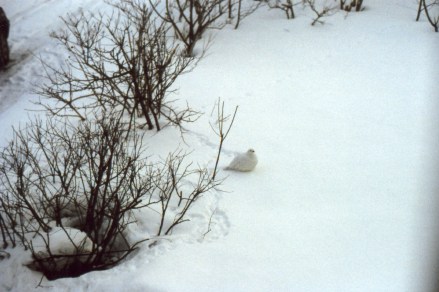
    Ptarmigan Feed On Native Saskatoon Berries & Fruit Buds,  In Winter, Central Newfoundland. Native Saskatoon Shrubs Chuckley Pear NL, Add Significantly To The Bio-Diversity Of The Plantscape In The Ecologically Sustainable Horticultural Garden.

The volume of waste to be collected by the waste management system is thereby reduced by two thirds with the composting and recycling of all the organic and biological material from the kitchen, garden and workshop.  This is a sharp contrast to present practices of not composting and not recycling.  Reaching these objectives through this education and technology transfer program represents a significant reduction in the carbon footprint in the lawn and garden. From the Green Garden Horticultural Project, it is estimated that the climate altering toxic carbon exhaust emissions reduction equivalent per household per year is 2,178.9 kg.  This is a significant initiative to alter positively climate change in the lawn and garden.
My beautiful picture

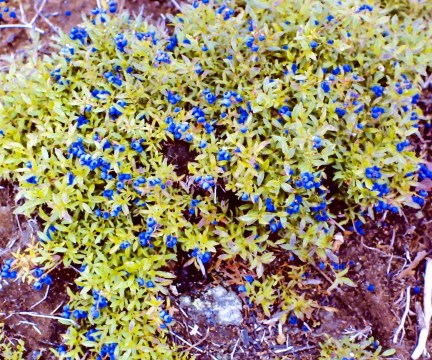
Native Low Growing High Yielding Ripe Deep Blueberries. The High Organic Matter Content Of The Nutrient Rich Top Soil Together With The Enhanced Micro-Climate Produces A Lovely Fresh Delightful Tasting Pesticide Free Healthy Berry Fruit, Central Newfoundland.

A pilot survey amongst an initial representative sample of householders in the region is expected to show that a positive change in the reduction of toxins and the carbon footprint is actually taking place one year, two years and three years after adopting and following the recommendations of the Sustainable, Ecological, Horticultural Green Garden Project.

The Green Garden Horticultural Project clearly demonstrates a commitment to addressing the positive climate change initiatives of the Action Plan as released July 13, 2005 by the Department of Environment and Conservation, Government of Newfoundland Labrador.

Refer To The Key Section: Under The Category, The Sustainable Lawn“The Objectives And Benefits To Positively Affect Climate Change And Health”
What Led To This Project?

When Edward arrived in the Exploits Valley of Central Newfoundland during the late 1970’s, he was confronted with a challenge.  His yard had been typically scraped with a bulldozer mixing the subsoil and valuable but limited topsoil.

fullsizeoutput_2e24

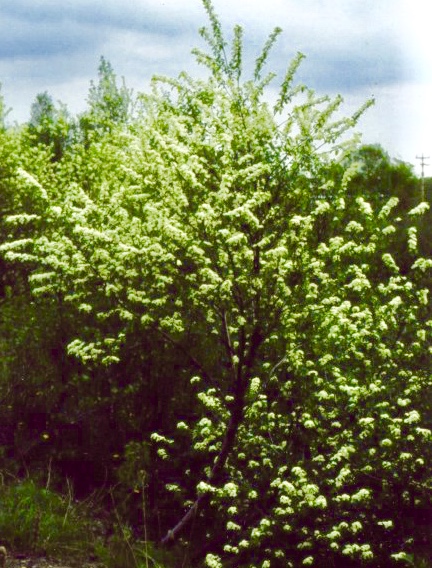
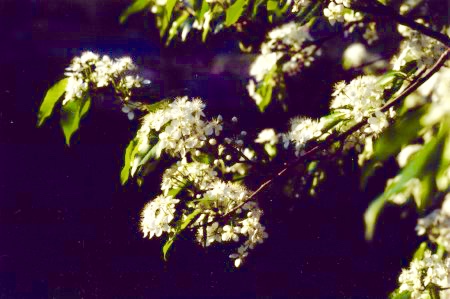
A Healthy Native Cherry Pin Tree In Full Bloom, Growing In A Favoured Micro-Climate & Rich Flood Plain Alluvial Soil Of The Exploits River Valley, Central Newfoundland.

Some surface and subsoil aggregate had been dumped and spread to make a quasi-elevated table top in the front yard contributing to the drainage issues and poor soil quality.  Chunks of cement and pavement were in the mixture.  This, coupled with the removal of all the native vegetation led to a destitute platform for any green-thumb, let alone a Horticultural Specialist.  The constant noise and air pollution associated with all the lawn mowing, trimming, and leaf blowing led him to think, “there had to be a better way”.

The way of thinking at this time in maintaining a lawn was to lime and fertilize with commercially produced products.  The end result would be even more mowing with increased noise and toxic carbon exhaust emissions.  This is not to mention the purchasing, packaging and shipping costs along with the pollution associated with these products.  He was very concerned with the poisonous cosmetic use pesticides being used in the neighborhood where children and pets were playing.  He recognized and could instantly smell the fumes.

fullsizeoutput_2e22

Native Cherry Pin Tree In Full Bloom Growing In The Favoured Climatic & Soil Conditions Of The River Valley, Central Newfoundland.

The young workers applying the pesticides were not wearing protective equipment.  He knew there was something terribly wrong with the whole process.  This clearly did not make sense.  That is, to spend so much time contaminating the neighborhood in the soil, air and water on a collective scale as a cosmetic practice.

Over the next thirty two years, Edward set out to develop a sustainable, ecological, and horticultural system of management in the lawn and garden to demonstrate that there was a better way to create and sustain a lawn and garden without the harmful or wasteful approaches commonly used at that time.  His directive was:

  1. To substantially reduce the climate altering toxic carbon exhaust emissions.
  2. Drastically reduce noise pollution.
  3. Eliminate entirely the use of poisonous cosmetic use pesticides on the lawn.

    My beautiful picture

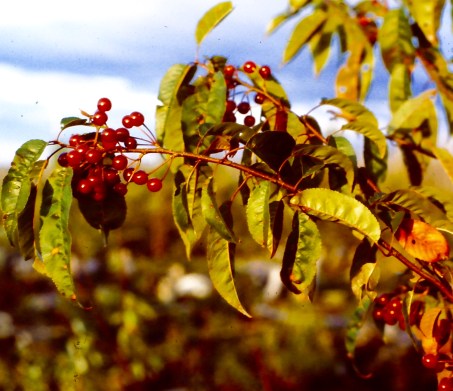
    Native Ripe Red Cherries Pin In The Ecological Sustainable Horticultural Garden Attract & Provide Desirable Food For Song Birds.

  4. Eliminate the unnecessary use and waste of the town’s potable drinking water on the lawn, driveway and walkways.
  5. Utilize the wet biological organic material from the lawn, garden and kitchen such as grass, leaves, cut up banana peels, tea bags, and eggshells as a free plant food source directly to the soil or in the compost.
  6. Recycle the dry, fibrous biological organic material from the kitchen, garden and workshop.  These materials include bark and woodchips, wood shavings, sawdust, cut up branches, corn cobs and husks, leaves, grass, peat moss, peanut and sunflower seed hulls.  Such material adds fibre and organic matter to the soil as a beneficial soil conditioner and as mulch around trees and shrubs to hold in moisture and allow nutrients to be available to improve plant health.
  7. Plant a representative sample of the native fruit trees, shrubs and plants that were growing well in the Exploits Valley of Central Newfoundland in the lawn and garden.
    CherryPinFoliageRedFall

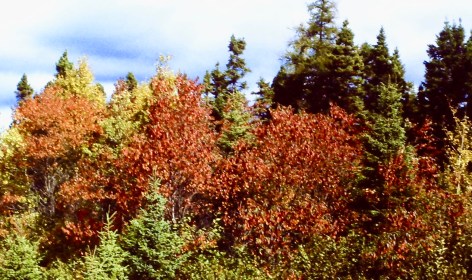
    Distinctive Deep Red Foliage Of The Native Cherry Pin In The Autumn, Central Newfoundland.

    The number or density, health and vigour of such fruit species revealed the true significance, uniqueness, the favoured micro- climate and the flood plain alluvial soil in the Valley or heartland of the region.  The Biodiversity of these fruit trees, shrubs, plants and other species must be preserved.  They were being flattened and desecrated with abandon in the name of progress with no land use planning, no stock piling of topsoil or preservation of trees shrubs or plants prior to development.

  8. Protect flood plains, water courses, and riverbanks.  These were being minimized of their former integrity.  When flooding or excess waters happens over a short period of time in the Winter on frozen ground, damage is more severe and acute to people and infrastructure close by on the banks or in the flood plains.

A] 1]  Question:  Hello, this is Andrew Osmond. I hope you’ve had a good summer! I’m moving to a new place in Port Blandford, Newfoundland, adjacent to the Terra Nova Park on the East Coast. In my yard I have found these Berries on a tall bush. I am curious if these may, in fact, be Saskatoon Berries, although they are noticeably longer and less oblate than Saskatoon Berry Images you have shown me in Grand Falls-Windsor, NL.   6Aug13

Answer:  Hi Andrew,      It is good to hear from you. I am still having a good summer !  I surly hope there are a few more weeks of summer left before a fall frost occurs.

The Saskatoon or Chuckley Pear in NL.,Service Berry in BC., Juneberry Shrub in Central Canada. With Deep Purple/Blue Berries this wide spread shrub  Exhibits Variations & Differences In The Range Of Regions Across The  Country. The Native Plant & Fruit Development  may not be quite the same in the Terra Nova area as in  The River Valley In Central Newfoundland with the different  environmental & climatic differences. In nature, there is invariably variability ! Despite Man’s attempt to categorize & group plants in very specific terms, there are discrepancies, grey areas & slight differences.

photo

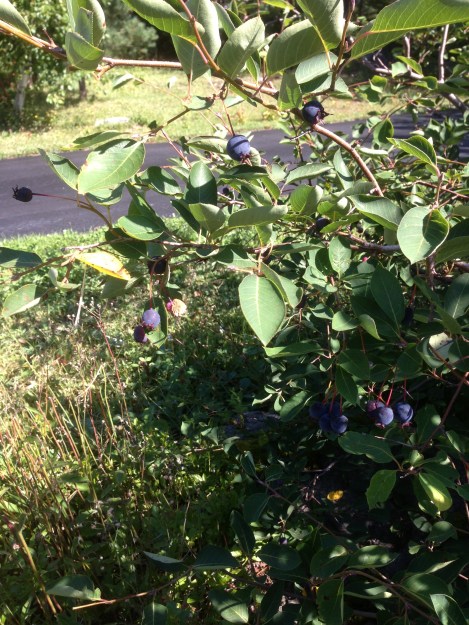
Ripening Deep Blue/Purple Fruit Of The Native Saskatoon Shrub, Terra Nova National Park Area, Eastern Newfoundland, Early August.


The plant, leaves & fruit specimen shown in the photograph strongly resembles that of the Saskatoon Shrub even with all its variations across the country. This is also the time that the fruit ripens in insular Newfoundland. You are blessed to have  fully ripened dark blue/purple fruit. As soon as the fruit turns red here in the garden the robins are after them. They do not wait for the fruit to turn & fully ripen to the deep dark blue/purple colour.

The fully ripened dark blue fruit are good to eat fresh, in cereals, pancakes, fruit salad & yogurt. They are easily frozen to preserve for later use in the winter.

I am getting some good feed back on the Web Site. Thanks Again for your major contribution & assistance to this Web Site. It has gone all across the country to the Yukon & even over to Europe, Asia & the USA. To help prepare more posts with photographs, I now have an iPhone 4s with a good camera, thanks to our Son, Glen for his leadership & guidance  !

Have a good Saskatoon Harvest in Port Blandford ! All the best in your career path.             Ed Kayler,  PAg.

 B] 2] Question: I found some of these Berries in St John’s with Lisa & Family. The kids & I ate  & enjoyed them. The parents, Lisa & Michael did not see them. Michel would like to know, however,  what they are called ?
Sent from my iPhone,  Tana Kayler,  St John’s, NL.

SaskatoonRipe

Edible Saskatoon Berries Fully Ripened in Southern Insular Newfoundland, Close To The Salt Water Where Temperatures Are Cooler & Ripening Is Later, Early Sept.

Answer:2]  The plant, leaves & fruit specimen shown in the photograph strongly resembles that of the Saskatoon Shrub even with all its variations across the country. This is also the time that the fruit ripens near the coast in insular Newfoundland. You are blessed to have  fully ripened dark blue/purple fruit to enjoy on your hikes in the country with Lisa, Michael & Family.

Ed Kayler, PAg.  Ecological Horticulturist For The Environment

Honeybees are crucial pollinators for many Food Crops & Flowering Plants including Orchard & Berry Fruit, Vegetables & Flowers.

image-11-25-15-at-11-20-am-1

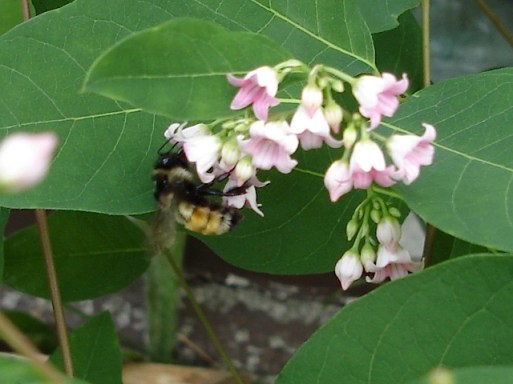
The Native Bee Pollinating The Sweet Fragrant Flowers Of The Flowering Dog Bane Plant, Central Newfoundland.

But stressors blamed for decimating hives around the world include invasive parasites such as the Varroa destructor mite, climate change and the use of pesticides.

The Canadian Honey Council has estimated that the bee population across the country has dropped by about 35 per cent in the past three years, since 2011.

A study of 800 research papers offers conclusive evidence that neonics sprayed as a preventive pesticide over crops or to coat seeds are killing bees and other insects on a massive scale.

BeePollinatingBlossomSaskatoon

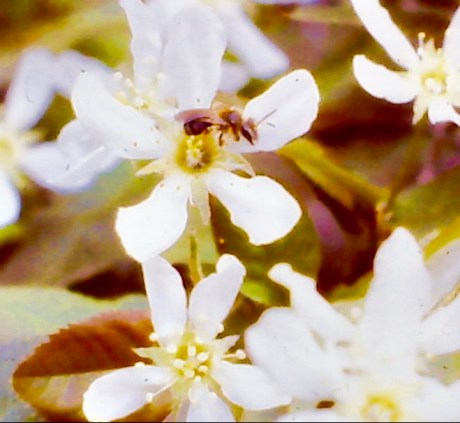
Native Bee Pollinating The Fruit Blossoms Of The Native Saskatoon Shrub, Central Newfoundland.

BeePollinatingBloomNativeStrawberry

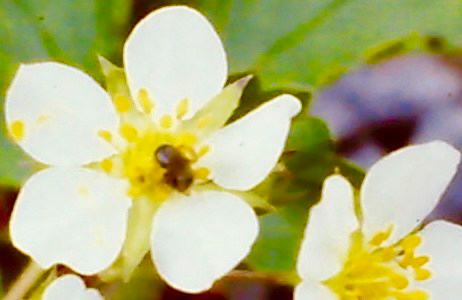
Native Bee Pollinating The Fruit Blossoms Of The Native Strawberry, Central Newfoundland.

Growth in the use of systemic neonicotinoid seed treatment insecticides parallels the rising mortality rate in bees. Environmental Persistence of the neonicotinoids  has been found in irrigation water channels & soil. According to the The European Food Safety Authority, neonicotinoids pose an unacceptably high risk to bees. They have banned the use of certain neonicotinoids for the following two years in 2013.

A Bee Keeper from Elmwood Ontario in Sept. 2013, expressed grave concerns about what is happening to his bees. He lost 37 million bees in 2012 from Pesticide Poisoning which includes the contaminated dust from the corn seeding operations in the spring & later from contaminated corn pollen when the bees are foraging for nectar & pollen.

BeeLowBushCranberrySquashberryBloom

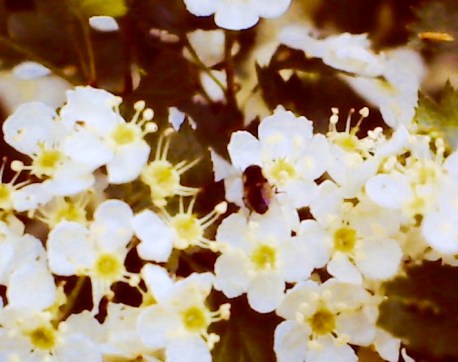
Native Bee Pollinating The Fruit Blossoms Of the Cranberry Low Bush Or Squashberry, Central Newfoundland.

It is estimated by bee keepers in Ontario that 80% of the bees are killed by Pesticide Poisoning. The Mites have been around for 20 years but the neonicotinoids wide spread use began in volume in 2004 to 2006 corresponding to the rise in bee mortality.

My beautiful picture

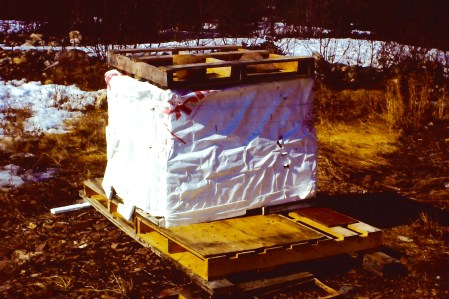
Over Wintering A Hive Of Honey Bees With Plenty Of Sweet Food & Water In A Weather Protected Insulated Shelter, Central Newfoundland.

Manitoba has lost half of their colonies in 2012. In North America between 2006 & 2007, 30% to 70% of the colonies were lost due to The Colony Collapse Disorder Syndrome. Similar heavy losses were also being reported from Western & Southern Europe, Asia  plus Central & South America.

The British Bee Keepers Association believe that the losses of bee colonies are not due to CCD. The Association maintains that most of the bee colony losses can be explained. Their approach is encouraging Integrated Bee Health Management. That means drastically reducing or eliminating stress factors which affect adversely the health status of the bee colonies.

FireFlowerBeePollinating

Native Bee Pollinating The Fire Flowers Which Make Premium Honey, Central NewfoundLand.

The Management Program entails expanding the skill level of bee keepers through increased training & education. More study & emphasis is needed on understanding & tracing habitat destruction plus its effect on bee foraging for nectar & pollen.

Increased applied research is needed on the incidence & distribution of diseases & insect pests to honey bee colonies that provide the bee keeper with solutions & steps to reduce the bee colony mortalities.

A Growing Industry With A Promising Future In Newfoundland & Labrador

BeePollinatingBloomJoePyePlant

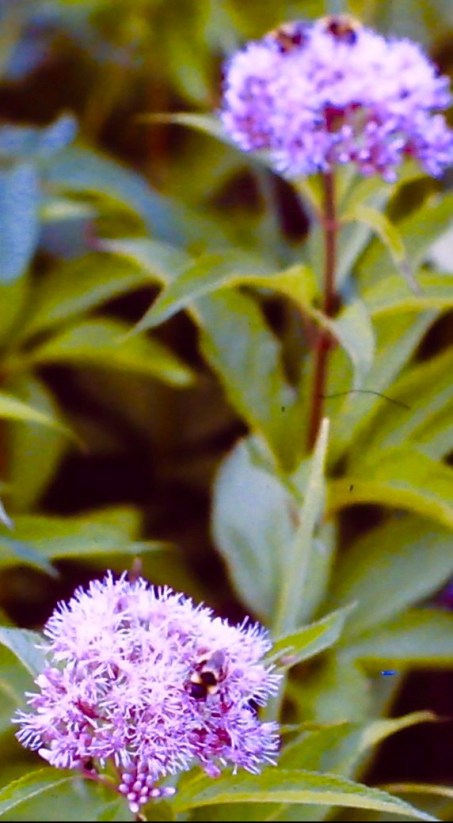
Native Bee Pollinating The Purple Blossoms Of The Native Joe Pye Plant, Central Newfoundland. Joe Pye From The Native Tongue, Jopi, Used By The Native Healer,                .

The Island of Newfoundland, however, is gaining attention as an increasingly rare haven. Newfoundland & Labrador produces a growing array of beeswax products.

The honey is a pure wildflower variety that is popular & sells out. Importation of honeybees into Newfoundland & Labrador needs a permit. The objective is to keep the insect pests & diseases out of this protected environment surrounded by ocean water.

The beekeepers control of bumblebee imports used to pollinate cranberry and blueberry crops is being closely monitored. Trevor Tulk, Honey Bee Keeper, Grand Falls Windsor, Central Newfoundland, says he can supply all the bees needed by the province’s cranberry farmers. They have to start planning properly. “The way it works around the rest of the world, the Growers & the Pollination Service Providers have contracts in place at least a year in advance.That way I know how many Hives the Berry Growers want. The Honey Bees are here, We can do it here locally,” said Tulk.

Geoff Williams, a senior research associate at the Institute of Bee Health at the University of Bern in Switzerland said,

BeepollinatingBloomDandelion

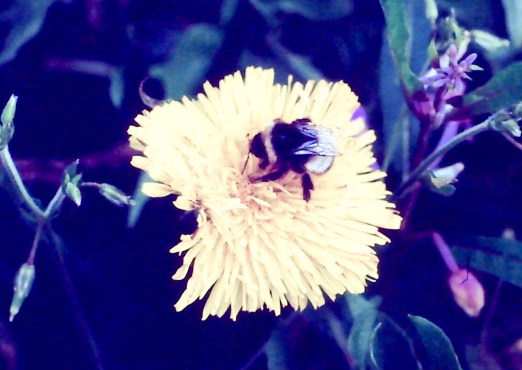
Native Bee Pollinating The Dandelion Flower Of The Medicinal & Food  Plant, Central Newfoundland.

“There’s really only a handful of locations across the globe that do not have this mite. It gives a great baseline data of what honeybee populations are like before Verroa.” 

‘Honeybees visit people’s lawns with clover and dandelions. So refrain from using pesticides, that would be great for the bees’, says Aubrey Goulding, Paradise Farms Inc.NL.                                                                         References;  1] The CBC News; The Canadian Press 21 July2014 1:19 PM NT. 2] The Advertiser,Grand Falls-Windsor,NL.Bees Buzzing By Patrick Murphy,Thurs.18May2017.

RutabagaPrecisinSeedingUniform

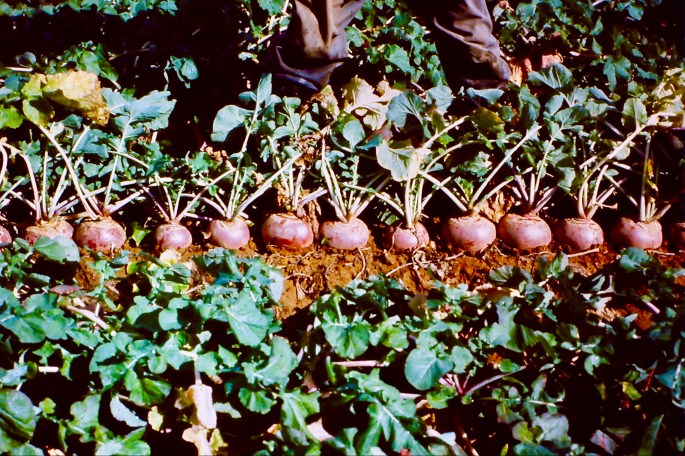
Precision Seeded Rutabaga For Uniform High Yielding Production In Fertile Soil & Moderate Micro Climate, Central Newfoundland. Good Pollination By Bees In Isolated Areas Is Needed For High Performance Vegetable Seed Production. The Rutabaga, With Its Distinctive Yellow Mild Crispy Flesh & Good Storage Ability, Was Formed From A Plant Breeding Cross With Cabbage & Turnip.

p1

My beautiful picture

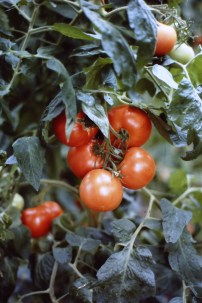
Tomatoes, Particularly Growing In The GreenHouse, Need A Vector Like Wind Through The Ventilation To Ensure Complete Pollination & Optimum Fruit Set.

Pumpkin>Yellow

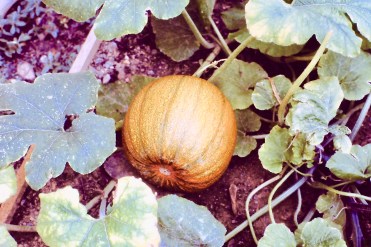
Pumpkin Growing, Riping, Turning Yellow & Maturing After The Flower Was Pollinated By Bees.

SquashZucchiniBloomBLPlastic

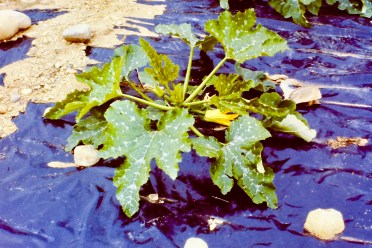
Zucchini Squash In Bloom Grown With Black Plastic Covering The Soil & Plant Roots To Increase The Temperatures For The Warm Season Plant To Grow, Fully Mature & Ripen The Fruit Before Early Fall Frosts.

LadyBirdBettle

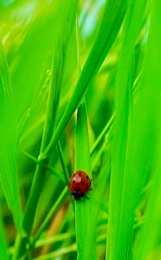
Lady Bird Beetle, A Valuable & Beneficial Insect That Feeds On Aphids, The Leaf Sucking Insect Pest Of Many Vegetables, Spreads Virus Diseases Adversely Affecting Plant Health & Quality Production.

SquashZucchini

Zucchini Squash Fruit, Having Grown & Developed After Pollination By Bees Is Maturing For Harvest.

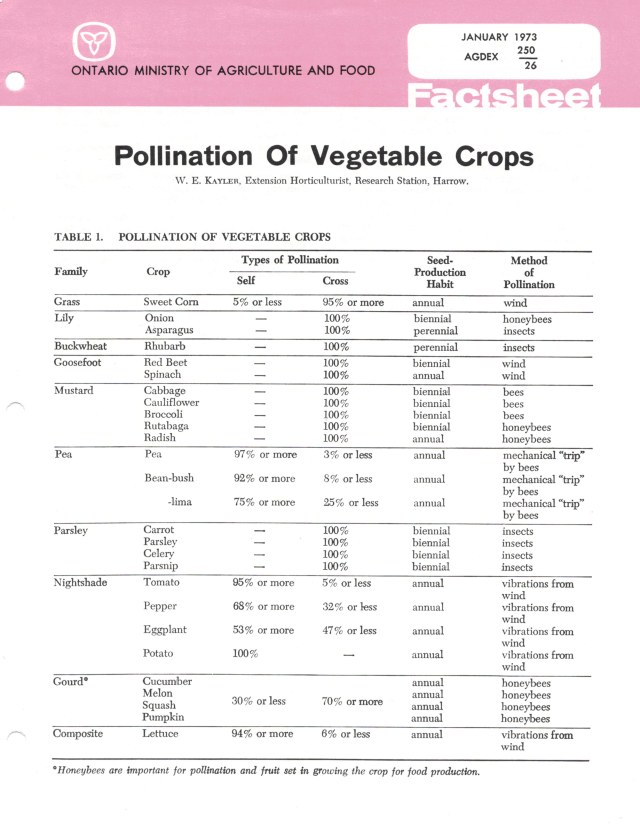
PollinationVegCropsWEKPAgP2

Refer To The Key Section: Under The Category, The Sustainable Lawn“The Objectives And Benefits To Positively Affect Climate Change And Health”
Question;  E-Mail from Liz and Gary Ward to Margie and Edward Kayler.  “Christine Ward would like to plant or seed wild flowers,” on the meadow rather than cutting a lot of grass. “Is there any advise you could give them as to what they should or could plant and how? They would appreciate any advise that you could provide.”
Christine & Chris Ward, Small Family Farm, Near Kingston, South Eastern, ON.

Reply; 2 Feb 12

fullsizeoutput_1da9

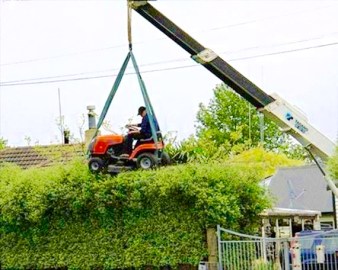
A Dubious Approach To Splintering The Top Of The Branches From The Growing Healthy Hedge In A Precarious Method.

 Option Not Recommended;  A Large Area of Regularly Mowed Lawn Grass ? 

This makes the growing of Lawn Grass from southern climatic zones for Cosmetic purposes beyond the immediate area around the house and swimming pool rather miss guided and not appropriate. There are problems with growing Lawn Grass from southern climates that are widely marketed and distributed in Canada.The Lawn Grasses are not hardy for the Northern Canadian winters and die off as “Winter Kill”. For example, Merlon & Kentucky Blue Grass that is used in Lawn Grass seed mixtures had trouble surviving the winter in Trials. Lawn Grass needs lots of water to grow. To water a Lawn with potable drinking water particularly using sprinklers that are left on for long periods of time and moved infrequently, is counter productive !

fullsizeoutput_220b

There Are Innocuous & Safe Alternatives To Cosmetic Use Pesticides On Lawns. Signs Don’t Have To Be Posted On The Lawn, SPRAYED  KEEP OFF THE GRASS, POISONOUS. Yes, Is this Demonstrating  ‘Think Safety First’ ?

What is the benefit of cutting a large amount of Lawn Grass on a farm or acreage each week especially on a riding lawn mower polluting the air with noise and Toxic Exhaust Emissions creating a huge Carbon Foot Print?!  If the Lawn Grass is fertilized & watered to grow more so it can be cut more often, then this adds significantly to the treadmill of destruction.

 Spraying Poisonous Cosmetic Use Pesticides to kill the “so called” Weeds and Insect Pests creates an unsustainable monoculture and contaminates the ground water, soil and air where children and pets are playing.

fullsizeoutput_28ab

SPRAYED     KEEP OFF THE GRASS !

Young children and pets are still developing and are very vulnerable to Poisonous Chemicals and their fumes.

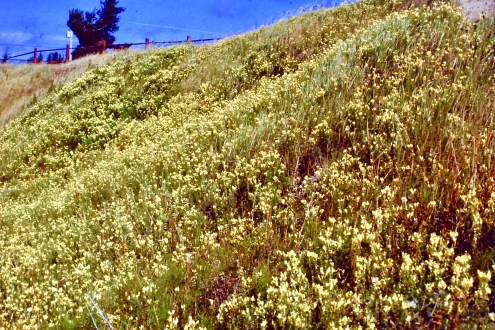
SnapDragonBloomYellow

Colourful Wild Yellow Snap Dragon Or Toadflax Seeded By Mother Nature On The Slope Is Doing A Excellent Job In Prevented & Controlling Soil Erosion In Central Newfoundland & Thus Are Not Weeds.


There is a very strong association with Cancer and the Poisonous Cosmetic Use Pesticides. Allergies in young people are on the rise. The rural atmosphere becomes no longer quiet,  peaceful, pristine and safe! What are we as residents positively doing about the atmosphere and the environment in which we live to raise and protect our children and pets?

Option Not Recommended;  Wild Flower Meadow Seeded or Planted

Bloom

Fire Flower Seeded By Mother Nature With The Vibrant & Magnificent Bloom Flourishes Widely & Is Appreciated Across The Country For Its Premium Honey From The Yukon To Newfoundland & Labrador. The Beautiful Native Fire Flowers Are Actually A Food Producing Plant & Thus Are Not Weeds.

The planting or seeding of a Meadow to Wild Flowers is a move in the right direction because of the problem with the Toxic Exhaust Emissions or Carbon Foot Print and the bad effects from the Poisonous Cosmetic Use Pesticides associated with the growing of the Lawn Grass monoculture on an acreage or farm. The problem with Wild Flower Seed is that it  contains contaminates, Foreign or Weed Seeds. The grades are not as good as that of Certified Crop Seed. It would take only a small percentage or a few Noxious Weed Seeds to infest the field and Farm. Consider that most of the Noxious or problem Weeds in Ontario have been imported indirectly from other places notably from Europe.

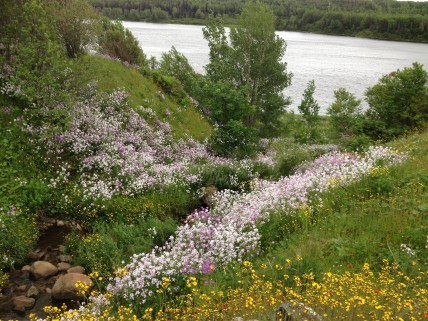
IMG_0034

Phlox With The Mauve & White Blooms Plus The Yellow Hawk Plants Seeded By Mother Nature Provide A Colourful Addition To The Stream Banks & River Valley Plus Preventing Soil Erosion On The Slope, In Central Newfoundland & Thus Are Not Weeds.

The noteworthy examples are the Dandelion, Coltsfoot, Common Thistle, Quack Grass and Purple Loosestrife.

One Dandelion flower seed head produces 120 seeds and one healthy plant produces 40 flower stocks. It would take one viable healthy seed to produce many small seeds. That is, 120x 40= 4800 seeds from one good Dandelion plant could contaminate the field and Farm. Once the Imported Noxious Weed gets a foot hold, there is no looking back as the natural enemies are not here to keep them in balance. The buyer has no guarantee of what is being bought and  the quality of the Wild Flower Seed in the package.

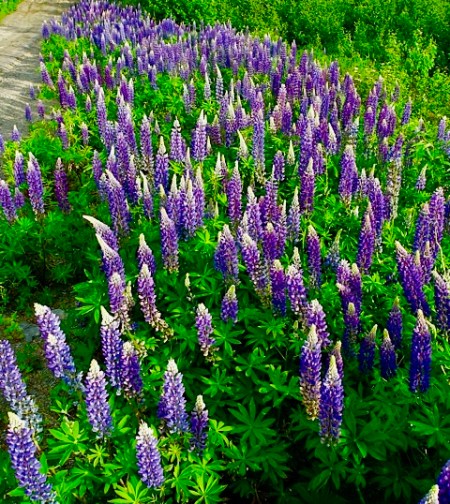
LupinsBloomPurpleWhite

Lupins Being Legumes Enrich The Soil,  Provide Nutrition &  Increase Health  To Neighbouring Plants Plus Making A Colourful Addition To The Meadow Seeded By Mother Nature, Central Newfoundland & Thus Are Not Weeds.

For these reasons it is not a good idea to plant Foreign Imported Wild Flower Seed on the Farm.

Option Adoptable;  Wild Flower Meadow Seeded by Mother Nature On The Small Farm

To have Wild Flowers in a Meadow it is better to let Mother Nature do the seeding. It does a better job in the long run. The big advantage is that there are no Noxious Weeds introduced onto the  Farm from other areas. There should be a good soil base for the indigenous and the well adapted desirable plants to grow and develop.

For example, the rocks and large stones should be removed from the soil surface before and in the initial stages of the regenerative plant growth period that would interfere with cutting the field  with a forage / hay swather, cutter or mower to remove Dandelion seed heads and other Noxious Weed flower/seed heads before they mature and spread.

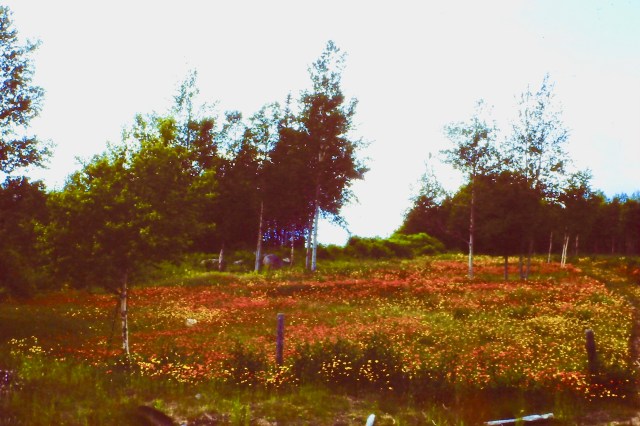
My beautiful picture

Native Orange & Yellow Hawk Plants In Full Bloom, Seeded By Mother Nature On The Meadow  Providing A Very Beautiful, Colourful, Non Polluting, Low Maintenance & Natural Ground Cover In Central Newfoundland & Thus Are Not Weeds, .

Any imported Noxious or problem Weeds can be removed, pulled or dug out in the initial stages of the field developing into the Wild Flower Meadow. In subsequent growing seasons  1 or 2 cuts are needed in the summer to rejuvenate the desirable plants, remove undesirable flower/seed heads before they fully mature and shed the numerous seeds into the Wild Flower Meadow.

Ed Kayler, P.Ag.


Investing In The Community Public Library- Resolution:
The Early Childhood Education Resolution was presented to the consulting firm hired to hold Public Hearings, develop a Report with Recommendations & present to the Provincial Government. It is the humble but emphatic Recommendation to reverse the earlier decree that half the Community Libraries would close as a result of the Spring Budget.

fullsizeoutput_24cf

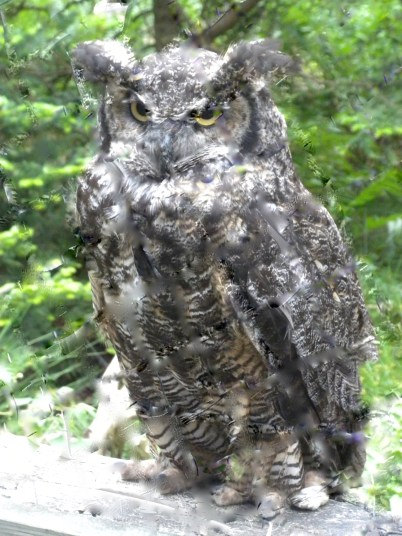
Great Horned Wise Owl Offering A Few Words Of Wisdom’Here & Now’ !

Particularly vulnerable are the Rural Community Libraries. Many of these are located in the Community School or Town Office Building. In such cases the Provincial Budget should reflect the good deal because there is no rent acessed nor maintenence fees for the community facility plus there is  a lot of volunteer help from Community Members to maintain & keep the Community Public Library going from day to day.

Adopted Unanimously The Resolution @ The Community Public Library Meeting Wed 19Oct16 @ 7:45 PM, Grand Falls Windsor,NL.

To: review@nlpl.ca  Secretary, Regional Library Meeting Grand Falls Windsor Wed 19Oct16 Harmsworth Public Library, Ernst & Young LLP


1] Where As, Early Child Education forms the basis for the good start in life in terms of reading, education, contributing towards a rewarding career path, good physical & mental  health plus higher income,

2] Where As, Early Child Education begins at the Community Public Library with the array of different forms of Literature & Educational Reading Material for early learning especially with family plus learned & empathetic library staff & assistants,

fullsizeoutput_a4c

The Greatest Amount Of Learning Starts From Birth To Pre School In A Child’s Life. Books From The Community Public Library Are Essential To Begin The Life Long Learning Process; In This Case With Father Glen & Very Young Attentive & Interested Daughter Halle.

3] Where As, early childhood reading contributes to higher learning, more advanced education with better paying & more satisfying jobs,

4] Where As, With, higher education & more advanced education comes better understanding & knowledge of Nutrition, Growing of Food, Storage, Meal Preparation plus regular Sports, Physical & Recreational Activity leading to better Personal & Family Health,

5] Where As, With Better Health, comes fewer visits to the Doctor, Dentist & Hospital plus less time spent with treatments in the Medical Clinic & Hospital,

6] Where As, with less Medical & Dental Costs, comes lower Health Care Costs in the Provincial Budget,

7] Where As, with Reduced Health Care Costs, as a very large portion of the Provincial Budget, the importance of Early Child Education starting at the Community Public Library cannot be over stated as the Good Long Term Investment & paying significant dividends down the road,

fullsizeoutput_26a7

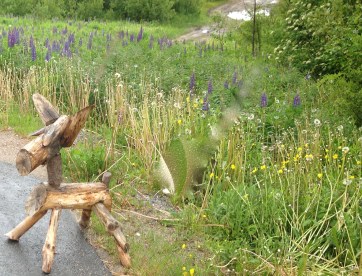
Learning By Reading Books From The Community Public Library Spawns Inquisitiveness, Imagination, Creativity, Entrepreneurship & Development. This Moose Replica Was Created From A Local Birch Tree, Central Newfoundland.

8] Where As, With Early Child Education starts with learning to read at the Community Public Library, then comes the growing student using the Library as a valuable resource  in terms of the literature review for assignments & the needed help of the learned staff & learning to work on their own while growing up,

9] Where As, with the Digital Age, Computers & the Internet this higher usage of the Community Public Library is even more prevalent & important to adults & entrepreneur business people facilitated by the well informed youth & young instructors, just to catch up with their sons & daughters being educated with computers,

Be it Resolved, That The Community Public Library System Be Treated As  A Long Term Investment In reading & advanced education of Our Young People Who are the Future  Entrepreneurs & Leaders, with particular emphasis on the rural sector, where not only for educational but the social value & a vital meeting place for intellectual exchange in the Community.

img_2774

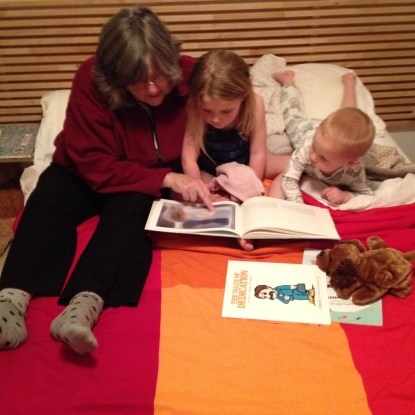
Reading, Learning & Education Starts Before School At Home With Young Children & Family Plus  Being Grateful  For The Using Of Books From The Community Public Library; In This Case Grand Mother Margie, Reading To Young  Grand Daughter Halle & Younger Grand Son Lachlan.

Significant Dividends can be reaped from this long term Investment in the Community Library System in the people with better education, improved health & increased income plus increased contribution to the Community & Newfoundland Society.

For Instance; 1] The Hands On Computer Workshop at The Harmsworth Public Library needs to be expanded & offered on a Consistent Basis as demand is there all year by the older business & the entrepreneur person.

2] The Popular Saturday Fun Reading & Craft Time for Early Child Learning with Family Members & Library Staff, needs to be reinstated. Saturdays are a Preferred Family Time for early Childhood learning for Working Dedicated Parents at the Community Library.

The Motion was Presented By Ed Kayler, read By John Wehlan, Librarian, College Of The North Atlantic, Grand Falls-Windsor & seconded by John Wehlan. Because many of the points stated in the resolution were already discussed, the motion was voted upon almost Immediately & passed unanimously at about 8:40 PM Wednesday 19October16.


Also presented to corroborate the Motion; Early Childhood Eduction & The NL Discussion Paper, The Early Years Last a Life Time. There was a Cross Talk Program  at noon on the CBC AM Radio Station recently about Early Childhood Education by two Researchers, Dr. Philpot from Memorial University Of Newfoundland Labrador & Kerry McCuaig from Toronto. The researchers at MUN have put out a Research Advisory Paper Titled, The Early Years Last A Life Time.The early years refers to ages from birth or 2 to 6. That is, pre grade one when the child is most receptive to learning. They emphasized that the learning at this stage is most productive when it is about playful learning with other kids in an unregulated setting with snacks & a rest if necessary unlike formal highly regimented regular school.

RICOH IMAGING

Winter Is An Excellent Time That Is Utilized To Avail Of The Lending & Digital Services Plus The Utilization Of The Educational & Social Meeting Facilities By  Families Of All Ages At The Community Public Library.

This Research was prompted by the early childhood  services in  Newfoundland & Labrador lagging behind the rest of Canada.

For more information, The Go To Web Site is: www.Jimmyprattfoundation.org  under initiatives plus the link to The Discussion Paper, The Early Years Last a Life Time.

 Mission Statement Dept of Education Newfoundland & Labrador:   To enable & encourage every individual to acquire, through  lifelong learning, the knowledge, skills & values necessary for personal growth & the development of society.

Atlantic Provinces Education Foundation.
 

Let it be known to the uninformed that Community Public Libraries are one of the Main Pillars that our close knit Communities are built upon & that these educational & social  meeting places are essential to investing in our higher education, increased income & contribution to the Community, reduced health care costs plus enhanced well being. Our Children need a good start in life at the Community Public library with Mom & Dad plus the Knowledgeable Volunteer Help. 

Seed Library Launch At 

Macdonald Campus Of McGill University

There were happy faces all around at Monday’s launch of the Macdonald Campus Seed Library. The project, initiated by Liaison Librarian Dana Ingalls, offers seeds and gardening resources to members of the McGill community. According to Ingalls, “many public and academic libraries are expanding services to meet community needs. They are lending tools, artwork, exercise equipment, and more….

PUBLISHED: 24 MAR 2017   On The West End Of The Island Of Montreal, Quebec, Canada.

There are three kinds of men: The ones that learn by reading. The few who learn by observation. The rest of them have to pee on the electric fence and find out for themselves.                                  Will Rogers,  who died in 1935.


I Have Horses & Beef Cattle On A Small Farm Just West Of Grand Falls Windsor, NL.                                    Lorna Stuckless, Badger, NL.  4June14                                                                                                                       Question:  Considering our  Specific Inland Continental Climatic & Soil Conditions, With Which You are Familiar, What  Forage Crops For Animal Food, Should I Be Growing ?

fullsizeoutput_29b1

The People Of Ancient Iran & The Middle East Noticed That The Horses Had More Energy When Alfalfa Was Part Of Their Feed.

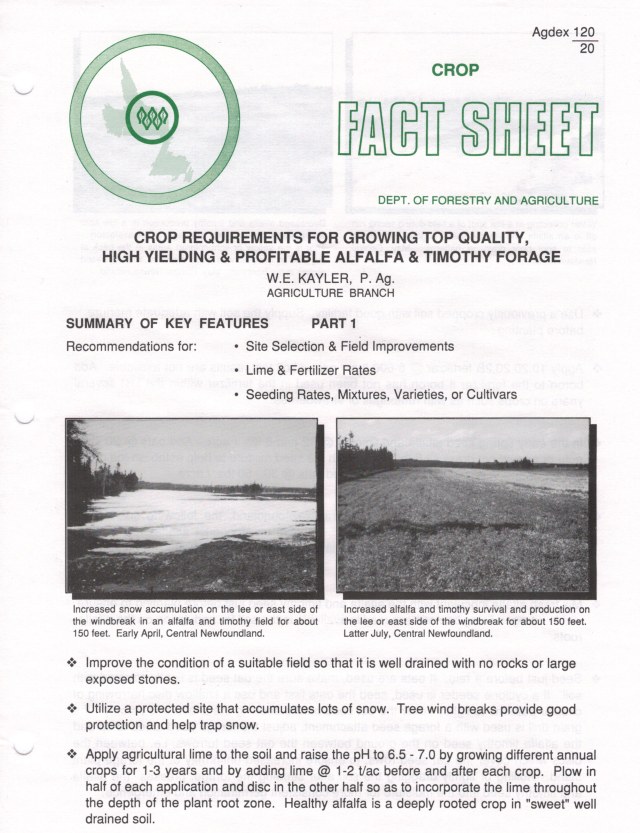
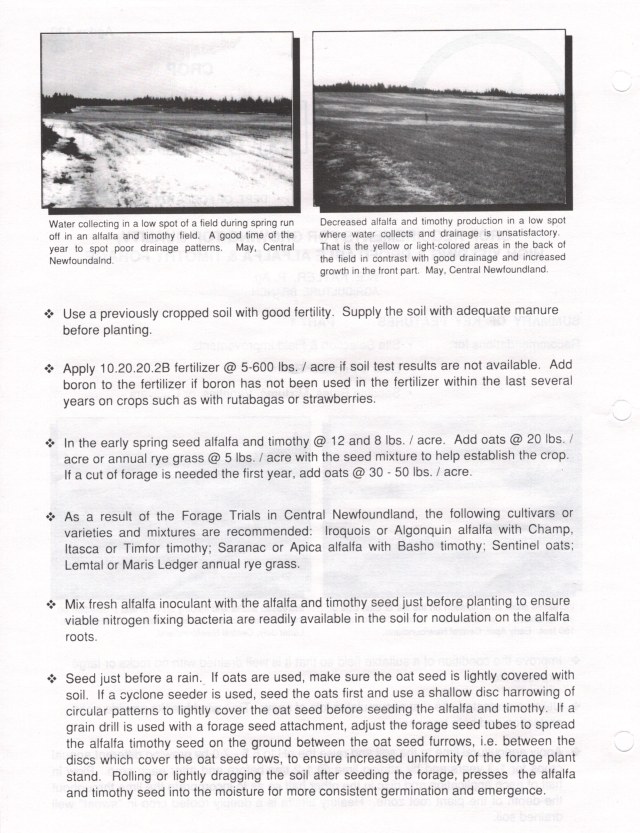
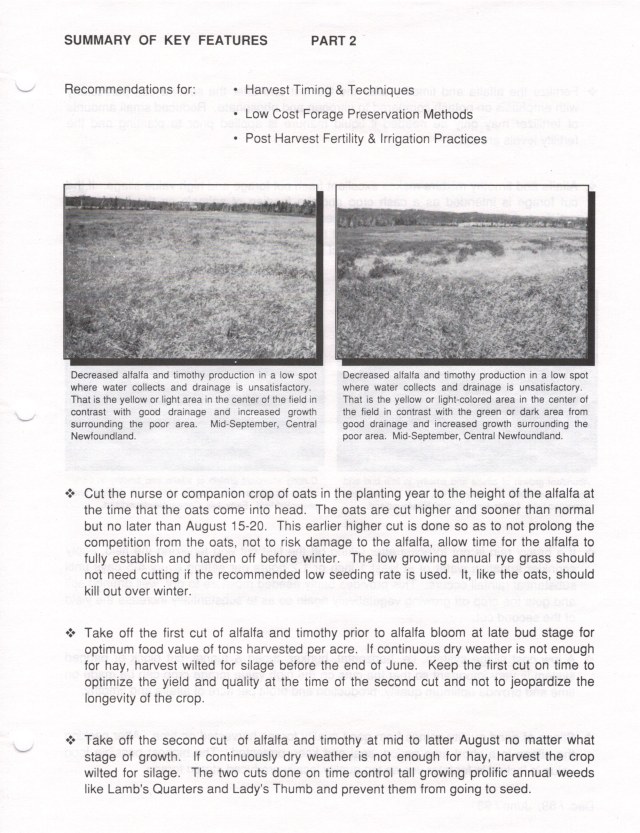
Reply: Refer to the previously authored Fact Sheet by yours truly presented below on :                                                    Crop Requirements For Growing  Top Quality High Yielding & Profitable Alfalfa & Timothy Forage:

Alfalfa & Timothy Fact Sheet (p1).jpg

Alfalfa & Timothy Fact Sheet (p2).jpgAlfalfa & Timothy Fact Sheet (p3).jpgAlfalfa & Timothy Fact Sheet (p4).jpg

003

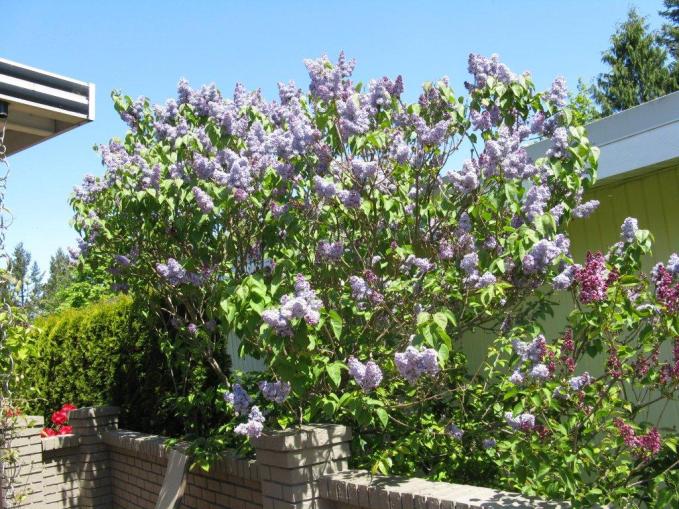
The Lilac Shrub In Full Bloom. The Mauve Blooms Of The Older Cultivars/ Varieties Have A Very Distinctive Pleasant Fragrance.

Beneficial Effects Of Pruning Ornamental  Trees & Shrubs Like Lilac

Pruning Demonstration Project on Shrubs Including A Lilac Shrub

A Thank You Letter;  Dear Margie,    Ed, deserves a Great Big Thank You, as I have way more Lilac Blooms on the Shrubs this year, that he pruned when you were out here, than I had last year !  The smell is wonderful !                                                                                                                                                     We thanked Ed  profusely, again, in absentia this morning while using all the tools he provided for all our pruning work….and the cutting up of the branches into smaller  segments to get them into the trailer.  A lot of work, but very satisfying.                       M.Grice, Vancouver Island, BC.

Fire Flower?


Fire Flower ?

Question:  What about the Plant with a distinctive colourful Pink /Purple Flower out in Bloom now ?                     Glen Kayler, Calgary NW, Alberta.                             Aug/14

fullsizeoutput_17e9

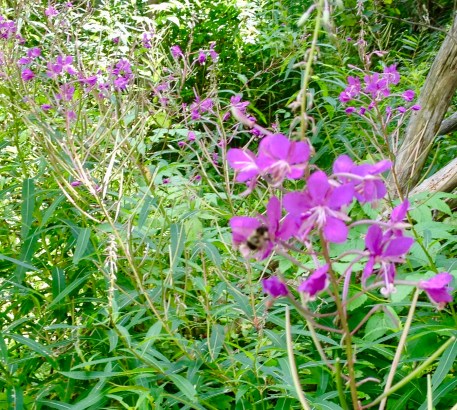
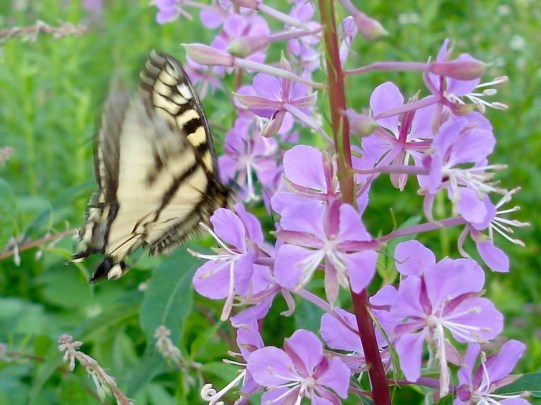
Pollination Of The Fire Flowers On The Distinctive Colourful Plant Growing Across Canada.


Reply:  8 April 15,  Hi Glen,   The Fire Flower flourishes readily across the Country especially where the soil has been disturbed such as in Farming Areas. The Fire Flower Plant is a Native Species in Canada  & is The Floral Emblem Of The Yukon Territory. It should Not Be Called A Weed ! A Weed is A Plant In The Wrong Place or Position ! For Example, A Volunteer Potato Plant sprouted from the previous year’s crop in a spring seeded Forage Field Of Alfalfa & Timothy is considered a Weed, in this Special Circumstance, despite its outstanding qualities as a Nutritious & Delicious Food Plant !
The Fire Flower Makes Premium Honey by Honey Bees as is done commercially In The Peace River Country of Northern Alberta & British Columbia where The Fire Flower grows wild & profusely. Honey is a very valuable & useful Human [& Bear] Food from The Fire Flower Plant adding to the Income of many Families in the Rural & now in the Urban Areas of Canada !
 Best Regards,

W.E. Kayler, PAg.

fullsizeoutput_17e8

Pollination Of The Fire Flower, A Distinctive Colourful Plant. The Floral Emblem Of the Yukon Territory In North Western Canada.

The Question inquiring about the very distinctive Flower of the Plant, Fire Flower, prompted   The Published Post,  Titled,  What Is A Weed ?  Under The Category,  Working With Weeds  & Beneficial Plants,   On  The Web Site,    thesustainable lawn.com   Thank You, Glen,  for Asking about The Fire Flower  With Its Distinguished Plus Delightful & Colourful Pink/Purple Bloom !

Ed,   The information on the Web Site, thesustainablelawn  is excellent and I really like the pictures to help explain everything.  I am pleased to see that my lack of lawn manicuring is a good thing, as I never water my lawn using  potable drinking water and only mow the Lawn when necessary.

Question: I love The Creeping Low Clover Lawn and wonder if I can over seed my lawn with the Creeping  Low Growing Clover without bringing in more top soil. I am looking for the least expensive way.                                                                                                                                              Victoria Ades,   Calgary, AB.

Answer: Hi Vicky,  In terms of Mowing The Lawn, it is better to delay or procrastinate. It is not a hospital floor or does not have be manicured. It is not a Golf or Bowling Green for  Sports or  Recreational Use ! The reason being on many occasions the lawn is cut too short, too often, especially in the hot weather of summer. The result is when the lawn is cut too short or scalped, it suffers severely, struggles to survive, turns yellow & brown leaving week & bare spots where dandelion seeds, on light floating parachutes, easily find bare soil to settle on & become established. Many people take Vacation in the summer months. The lawn needs to be resilient, self-sustaining with low maintenance, particularly  under these circumstances.

CloverLow GreenSpreading

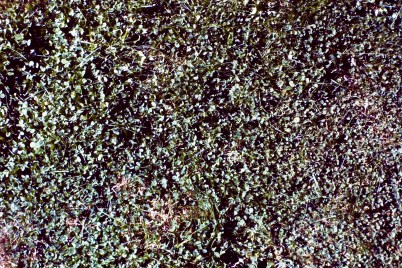
Creeping Low Clover As A Low Maintenance, Non Polluting Green Sustainable Lawn


You are definitely on the right track with delaying the mowing, not manicuring the lawn & investigating the incorporation of Creeping Low  Clover into the unstable Grass Monoculture Lawn. The Creeping Low Clover  feeds the soil & grass so additional fertilizer is not needed. The Creeping Clover is low growing, does not need frequent mowing & with low maintenance, is Non-Polluting. Congratulations on Proceeding To Develop A  “Sustainable Lawn”  with & Emphasizing Creeping Low Clover ! 

To obtain Creeping Low Clover in the Unstable Grass Monoculture lawn by the least expensive way, extra top soil is not needed. The Creeping Low Clover/ White Dutch Clover is sold in small packages that fits in the palm of the hand. One or two packages would do most neighbourhood or urban lawns. The Clover Seed can be mixed in a pail of dry sand, when seeding, to obtain a uniform distribution of the Clover Seed on the Lawn.

Seeding Creeping Low Clover can be done in the late summer, early fall after the hot dry weather of summer when seasonal rains are more prevalent or in the late fall just before the ground freezes or becomes covered with snow, which ever comes first, called Dormant Seeding.

My beautiful picture

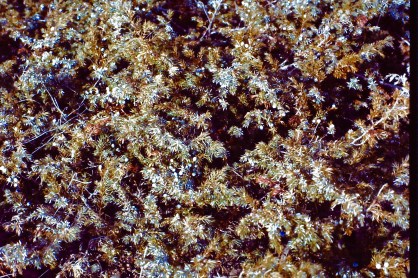
Creeping Low Juniper Shrub With White Berries As A Low Maintenance, Non Polluting Ever Green Sustainable Ground Cover, Especially Useful On The Slope

If seeding is done in the growing season after the snow melt in the spring, it can be done just before a substantial rain to lodge the seeds downwards to come in contact with the top soil. Seeding just before or during the hot summer weather is risky & can be avoided. Canadian Tire & the Farmers Coop Outlet handles The Creeping Low Growing White Clover Seed in our Community of Newfoundland & Labrador.

All The Best & Good Luck in the establishment of your Sustainable Lawn & Garden Activities !

Ed Kayler  PAg.  Ecological Horticulturist For The Environment


Dandelion  5July14

Question: Hi Ed, Very interesting

BloomDandelionBeePollinating

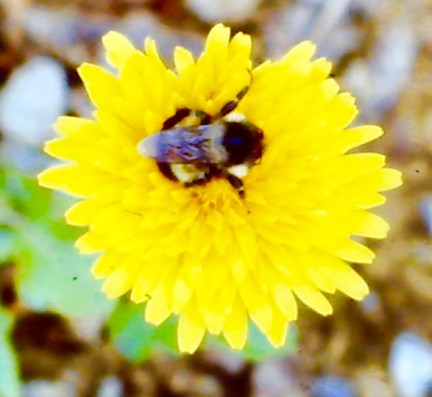
Native Bee Pollinating The Flower Of The Medicinal & Food Plant, Dandelion.

website, gives lots of food for thought. It’s not always easy to live with dandelions when they choke everything out. What is the best solution?                                                                           Janet Killawee,   Truro,  NS.

Reply: Hi Janet,   Attached are some Recommendations concerning The Infamous Dandelion Plant that you so aptly categorized plus including information on how to deal with it ! I trust the information attached sheds some light & interest on the subject !  Some additional information is provided on naturally occurring & seeded plants for Salad Greens Fresh From The Garden, especially selected for a Home Economist interested in Food & Nutrition ! There is more to a lawn & garden than grass & Dandelions.

Reply: Here are some alternatives attached, right in keeping for a Home Economist Specializing in Food & Nutrition ! Shall we call it, “The Home Maker’s Challenge With The Mac Grad Class Of ’64?”😀

After The Post, ReplyThe Request from Janet Killawee helped prompt the development   of  The  Published Post,  Titled,   The Dandelion Fix”  under  The Category,  “Working With Weeds & Beneficial Plants.”  on The Web Site,   thesustainablelawn.com     Thank You,  Janet. Look What Happened After You Asked About  Dandelions  !

My beautiful picture

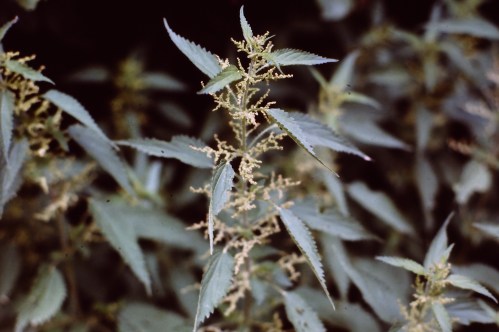
A Robust Stinging Nettle Plant In Full Bloom, A Very Valuable Food & Medicinal Plant. Beware Of The Tiny Fussy Nature Or Stinging Nettles Along The Stems & Leaves.

Thank You Letter:  Thanks Ed...lots of “Food For Thought” there. We do quite a lot of the things mentioned but I know we could do more. I like the bread bag trick to “cook” the seeds, among other things. We certainly have to learn to live with them and I don’t mind a few. I didn’t realize there were so Many Medicinal Uses.                    Janet Killawee,   Truro, NS.

Reply: Some More “Food For Thought”. Another Import From Europe, That Some Consider A Weed. The Dried Leaves Of The Stinging Nettle Plant Plus Green Tea, Mint, Lemon & Honey Are Helpful During  A Cold, Sore Throat & Or The Flu Season  With Its  Iron Content & Invigorating Properties.

Ed Kayler  PAg.

Refer To The Key Section: Under The Category, The Sustainable Lawn“The Objectives And Benefits To Positively Affect Climate Change And Health”